Understanding TMJ & TMD
The temporomandibular joint (TMJ) connects your jaw to your skull. When this joint — or the muscles around it — stop working in harmony, it can lead to TMD (Temporomandibular Disorders).
These issues affect children, teens, and adults, and often go undiagnosed for years.
Symptoms We Treat
Our comprehensive approach helps patients struggling with:
- Jaw pain or clicking
- Locking or limited mouth opening
- Headaches or facial pain
- Neck and shoulder tension
- Ear pain or pressure
- Clenching and grinding
- Skew or shifting teeth
- Bite changes
- Difficulty chewing
- Sleep disturbances related to jaw tension
TMD is rarely “just a jaw problem” — it’s often a whole-system imbalance involving muscles, joints, posture, breathing, and oral habits.
Comprehensive TMJ/TMD Examination
We perform one of the most thorough assessments available, including:
Extra‑oral Examination
- Facial symmetry
- Jaw movement patterns
- Muscle tenderness and trigger points
- Posture and head position
- Breathing habits (nasal vs mouth)
Intra‑oral Examination
- Tooth wear and grinding patterns
- Bite alignment
- Tongue posture
- Soft tissue function (lips, cheeks, tongue)
- Signs of clenching or bruxism
Advanced Imaging & Diagnostics
To fully understand your jaw joints and facial structure, we use:
- Panoramic X‑rays
- Cephalometric X‑rays
- TMJ imaging
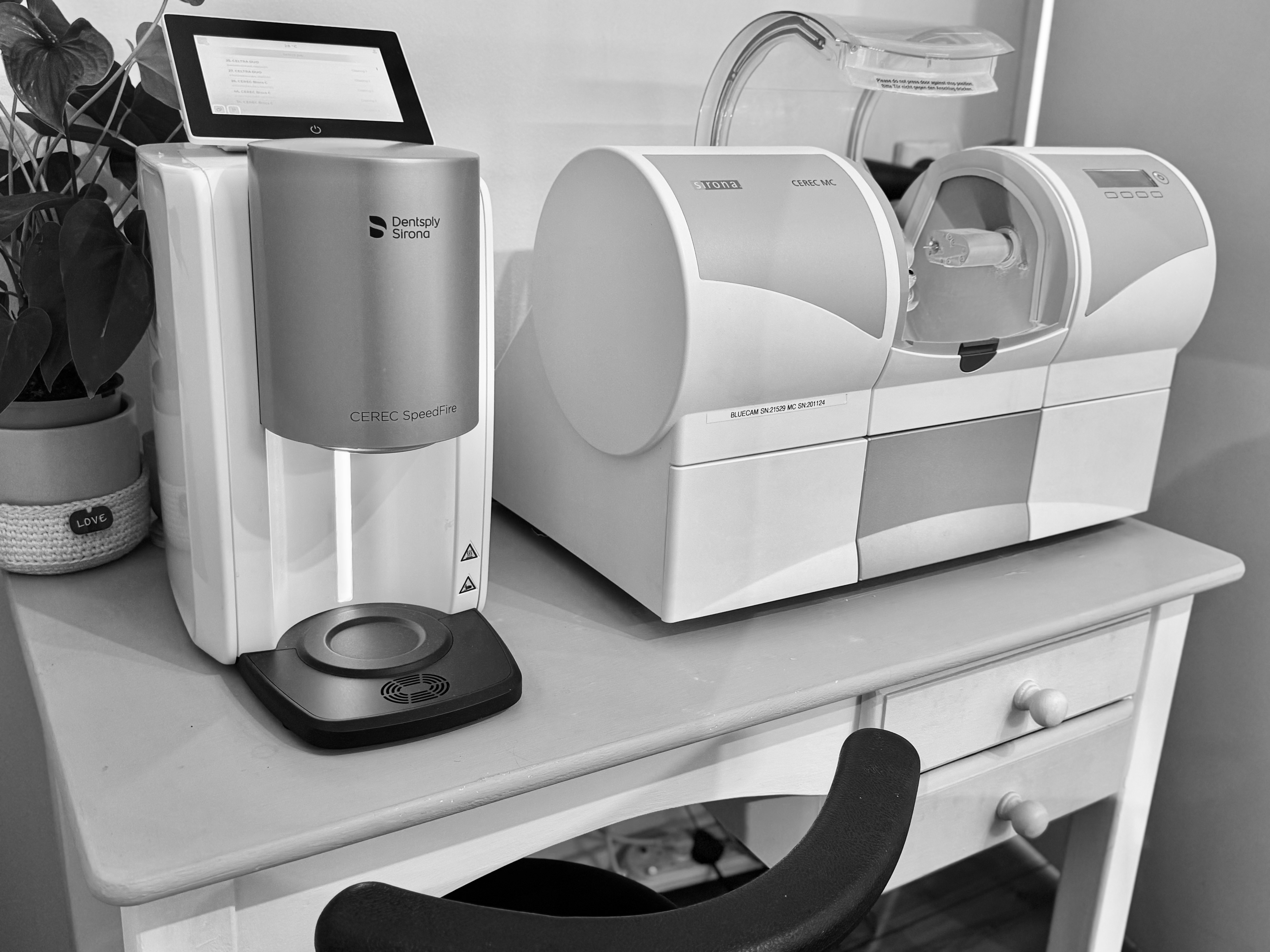
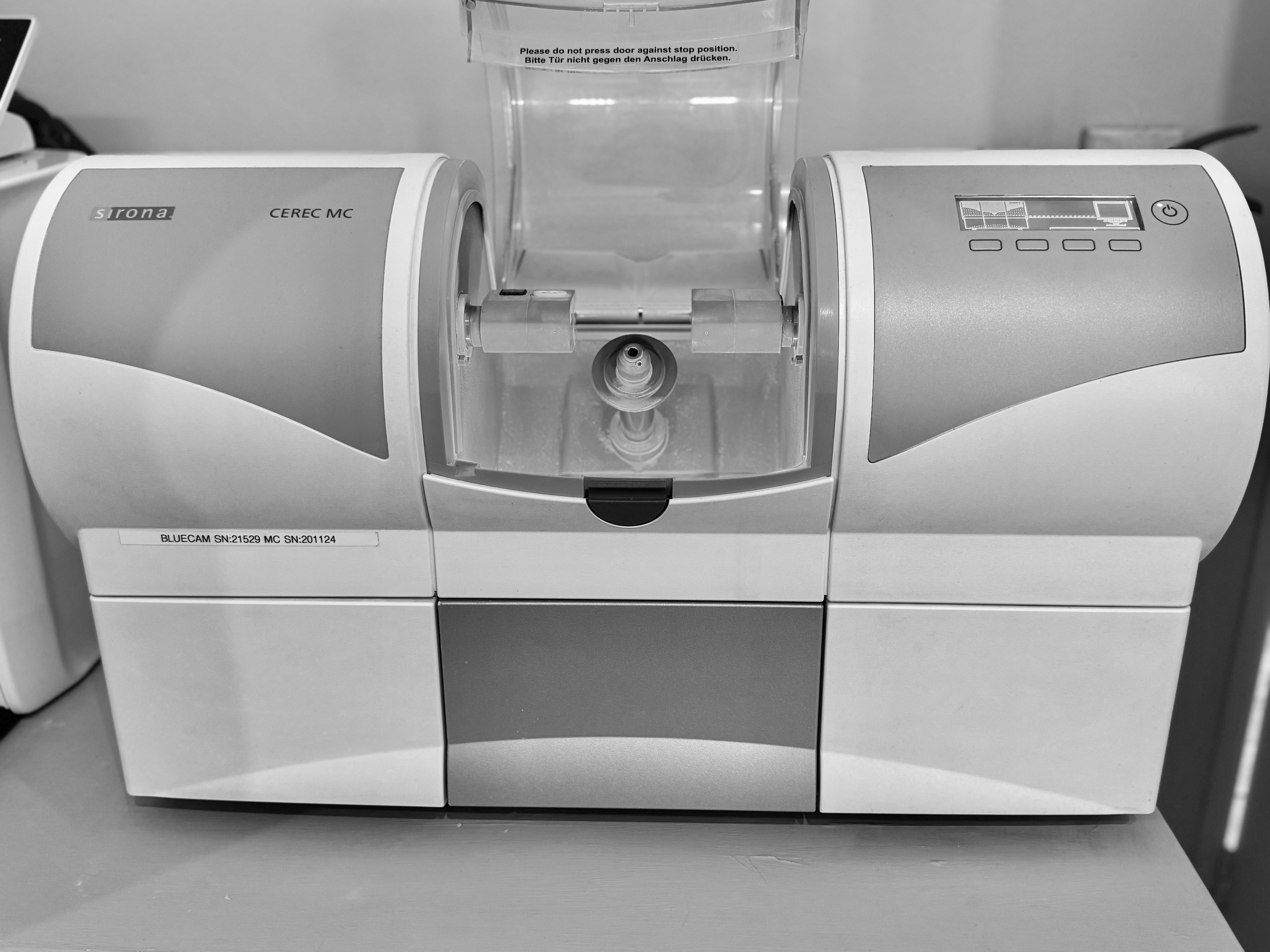
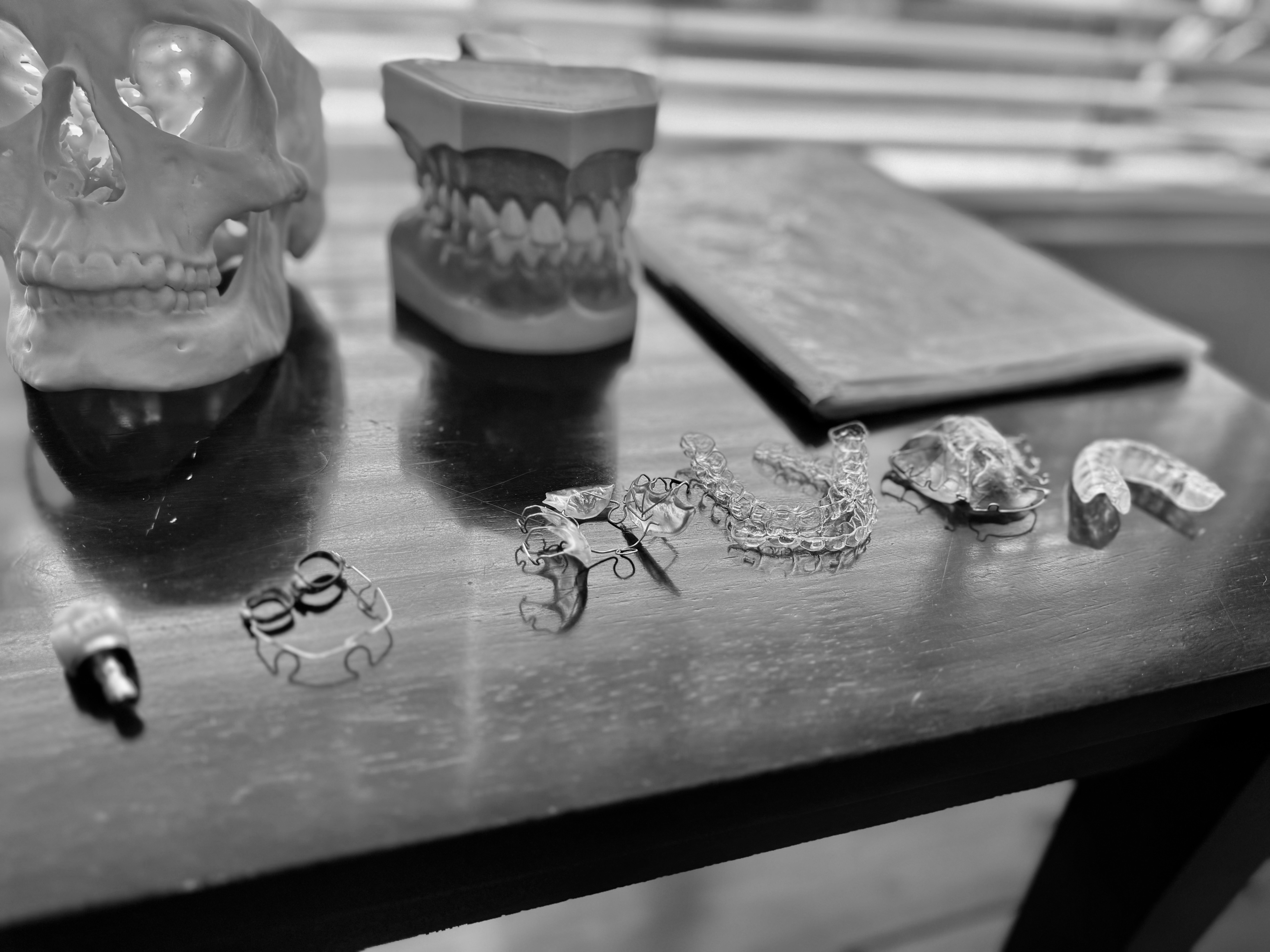
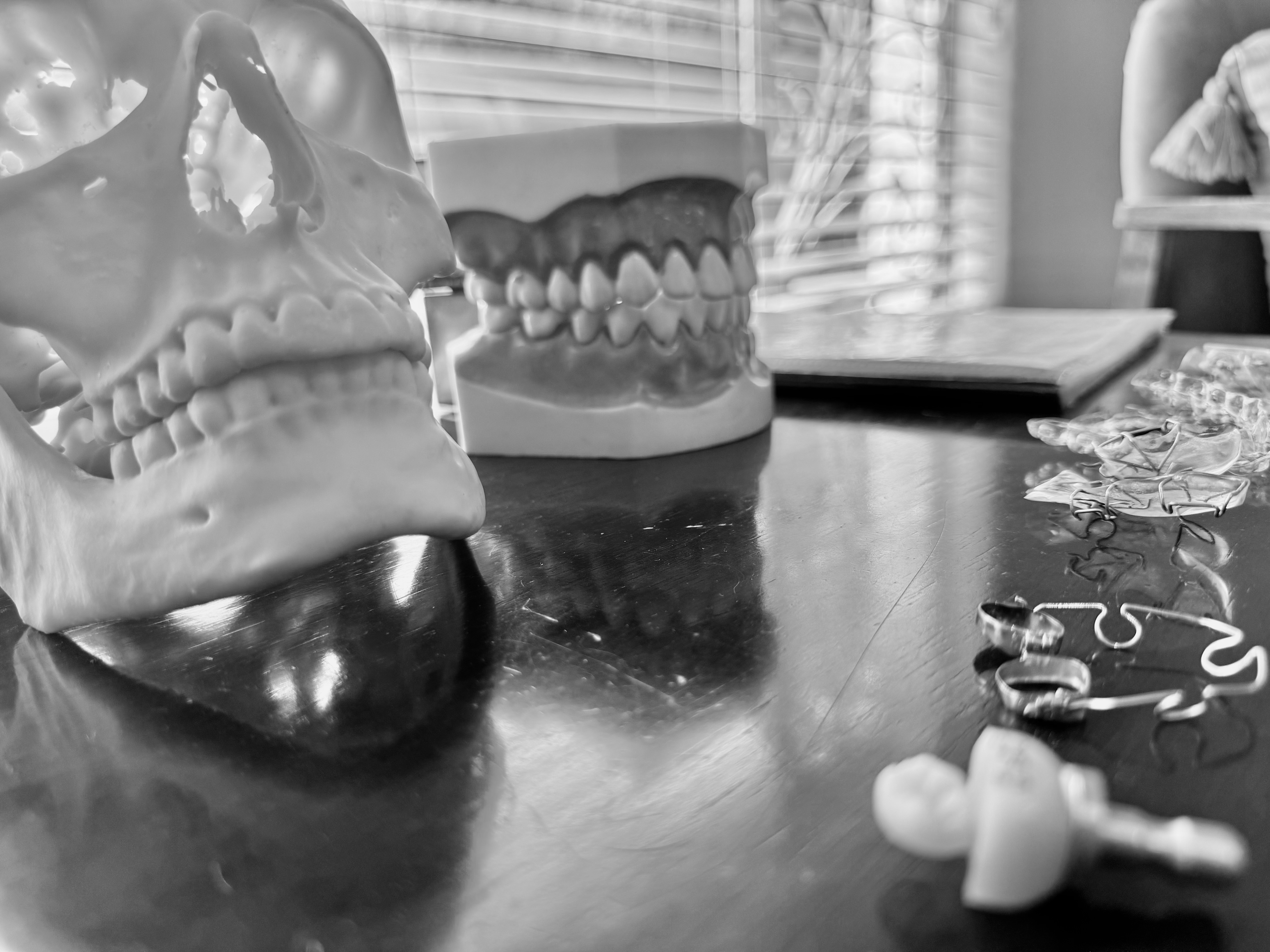
- Digital scans and 3D models
- Photographic records
- Bimler analysis for growth, airway, and functional assessment
This allows us to see the bones, joints, muscles, airway, and bite as one connected system.
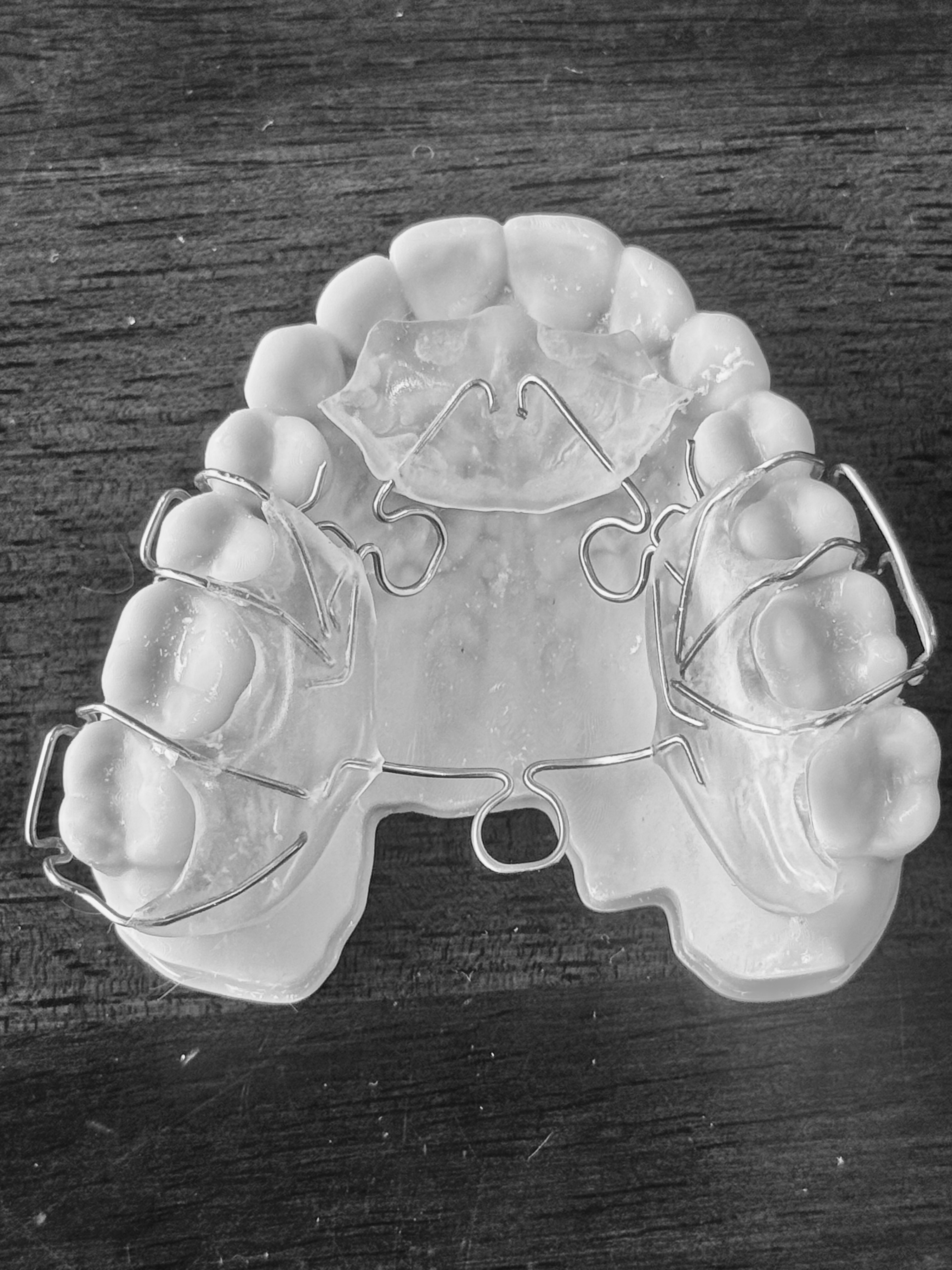
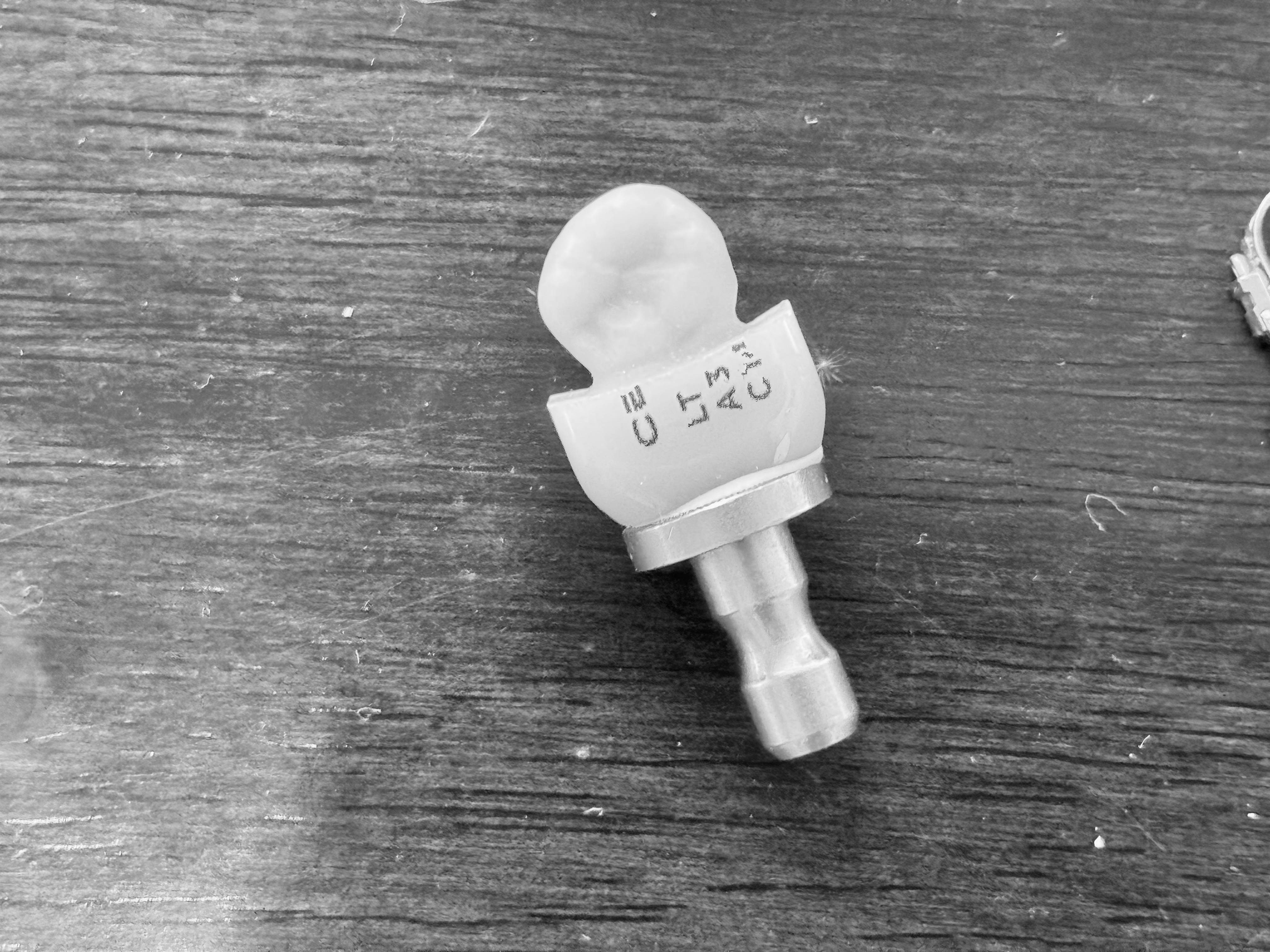
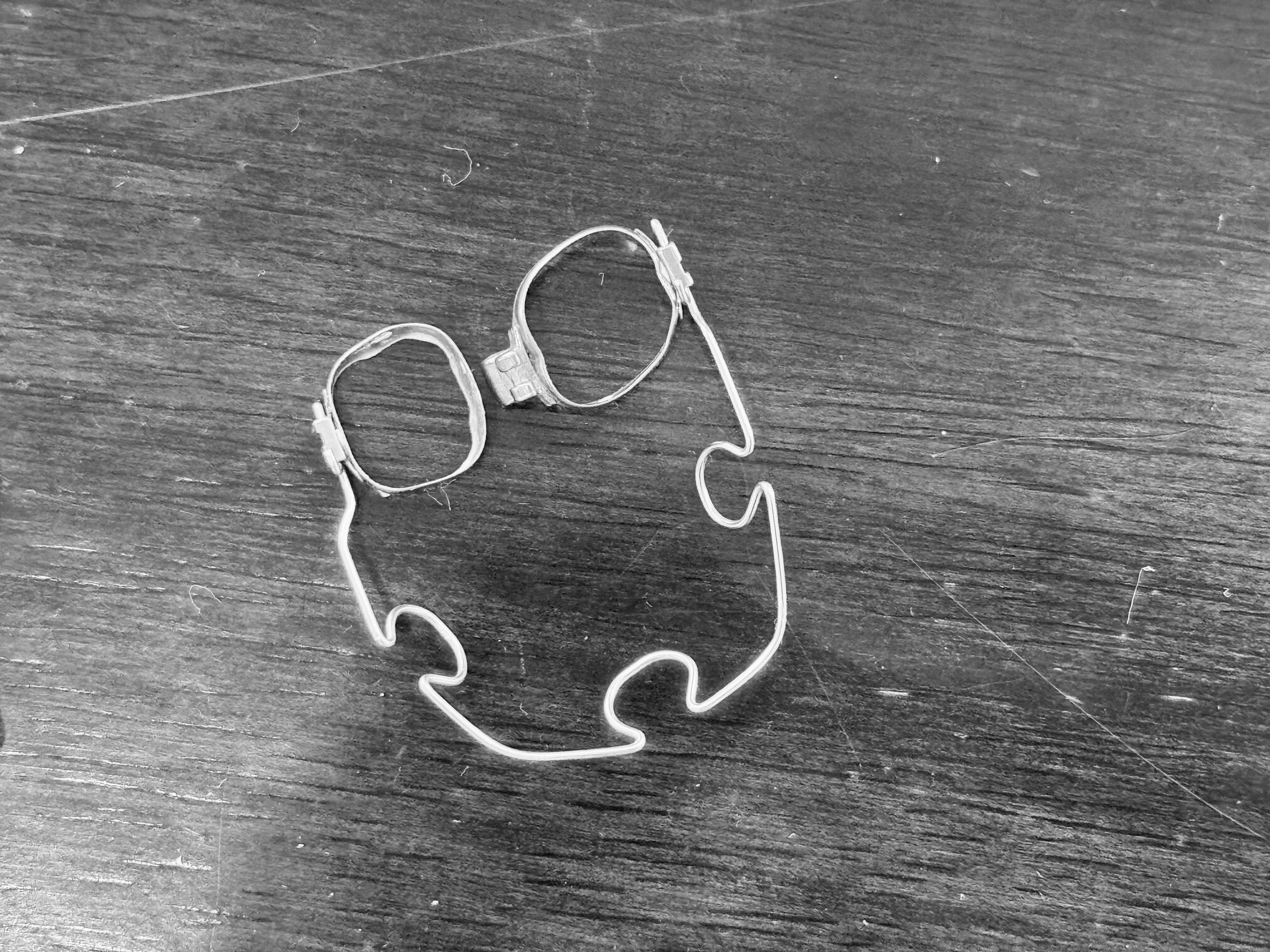
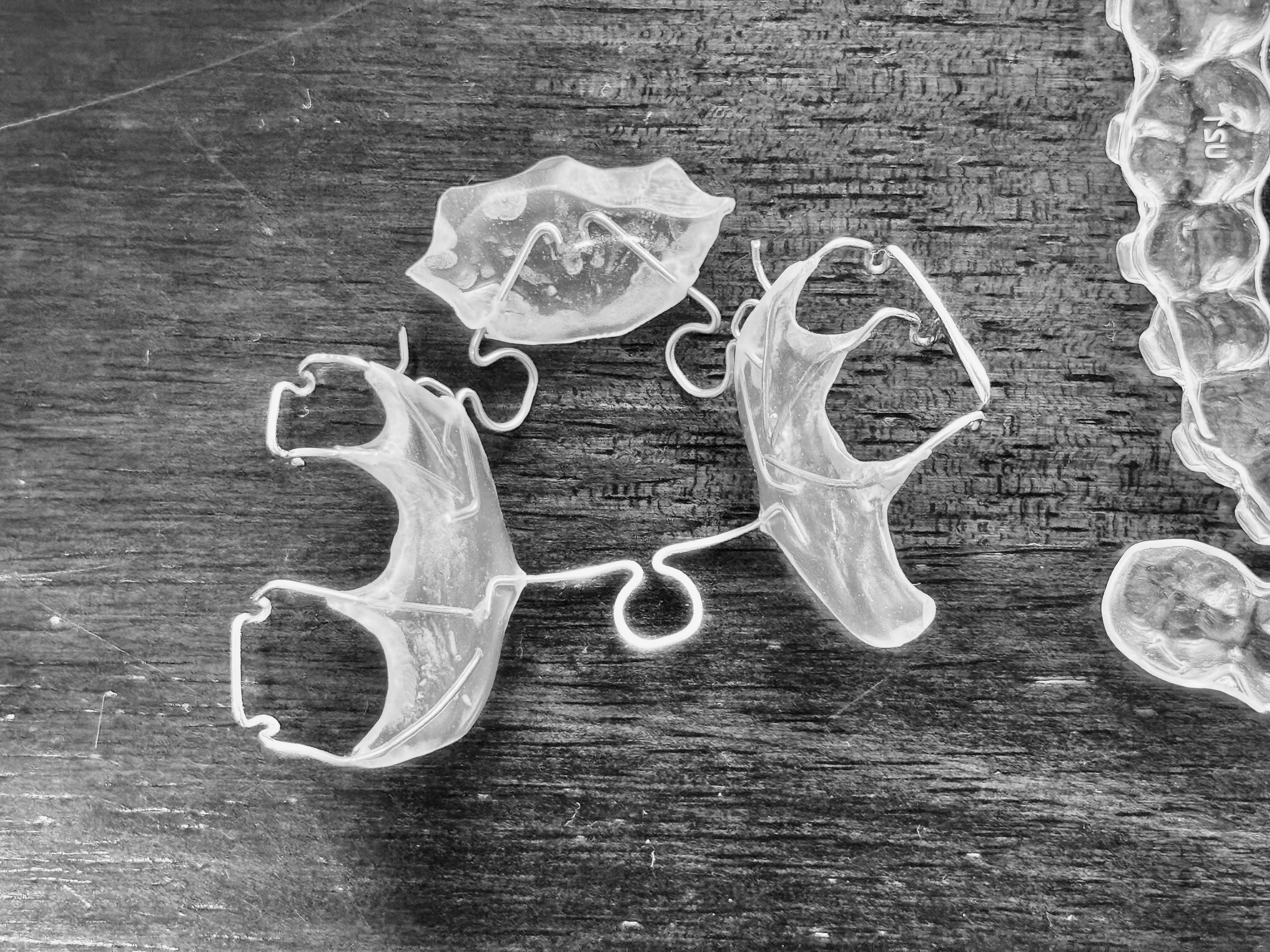

Why This Matters
TMD symptoms often come from deeper causes:
- Poor tongue posture
- Mouth breathing
- Incorrect swallow pattern
- Weak oral muscles
- Narrow jaws
- Misaligned bite
- Stress and clenching
- Growth and development issues in children
Your treatment plans address the root cause, not just the pain.
Personalised Treatment Plans
After your full assessment, we design a customised plan that may include:
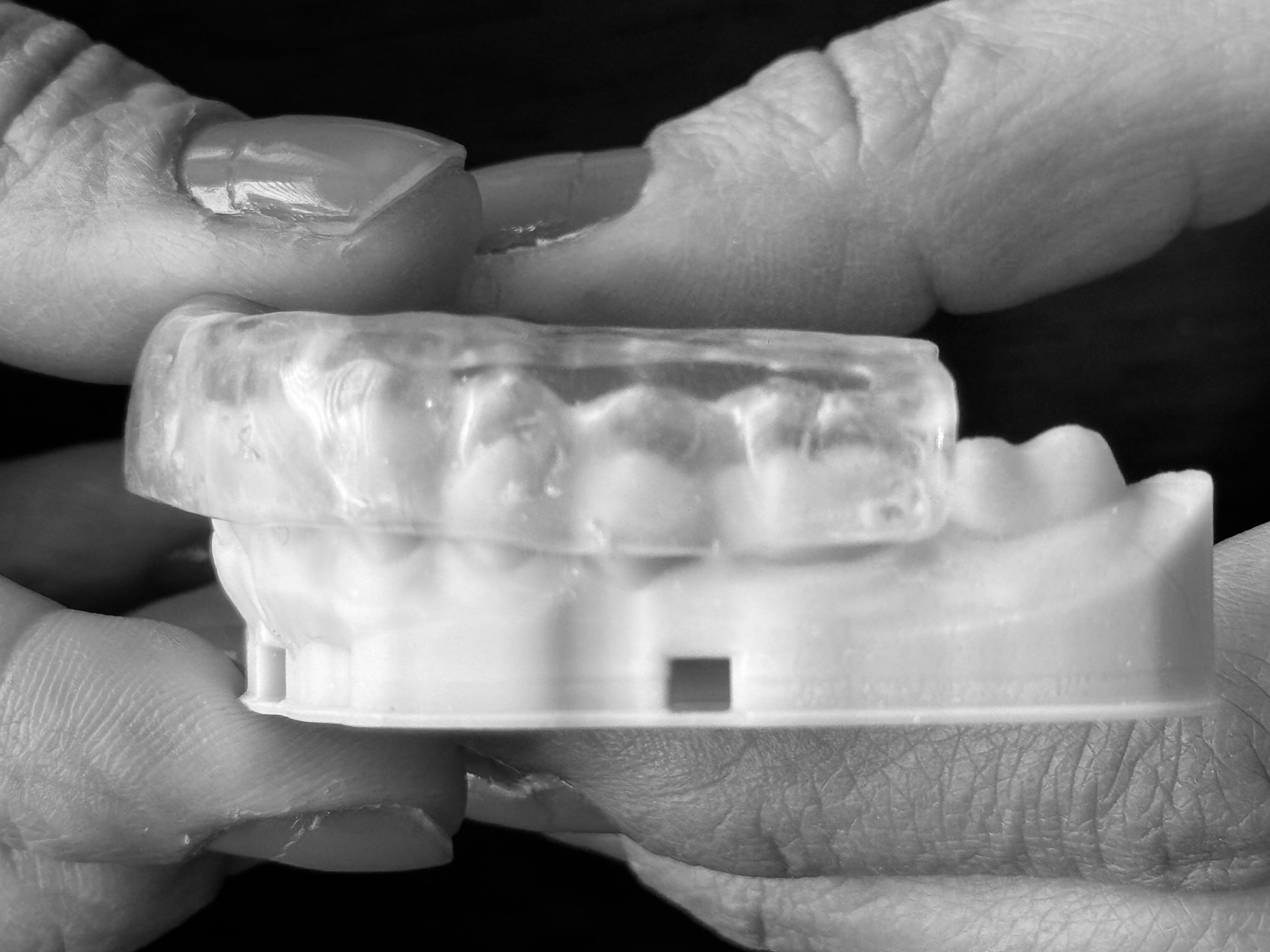
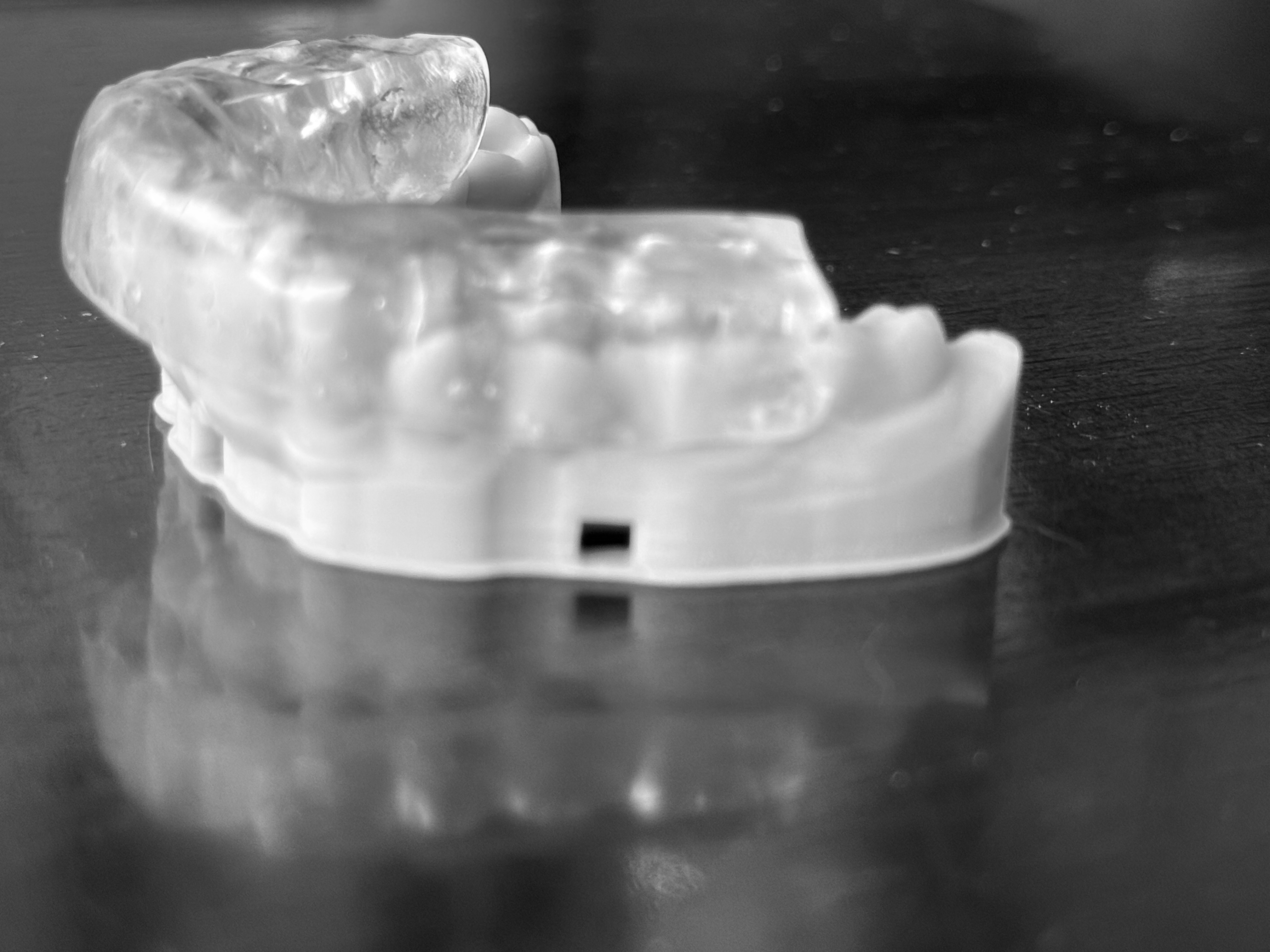
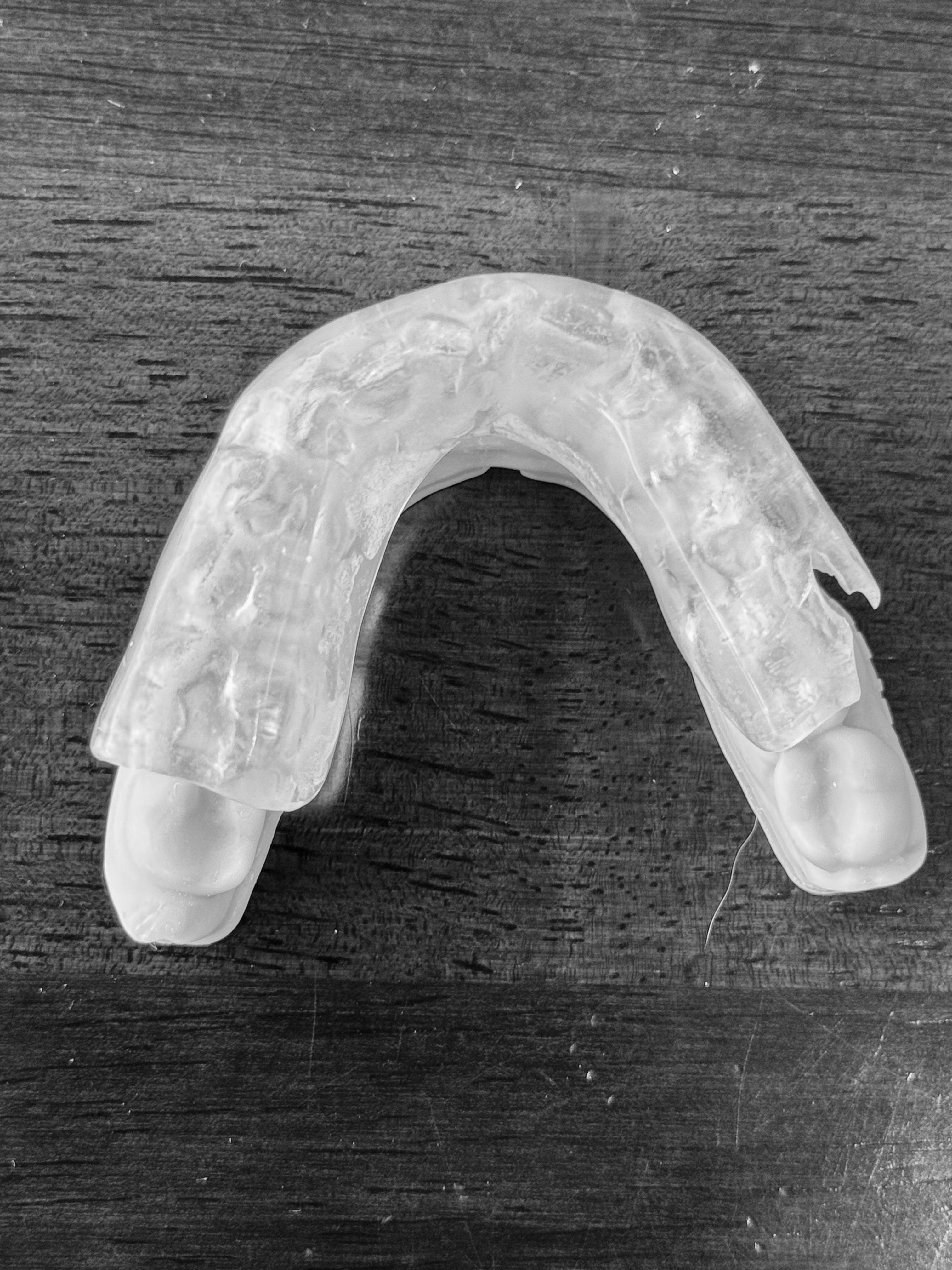
- Bite balancing and occlusal therapy
- Myofunctional therapy (for children and adults)
- Myomunchee strengthening
- Habit correction (tongue thrust, clenching, mouth breathing)
- Muscle release and relaxation techniques
- Growth guidance for children
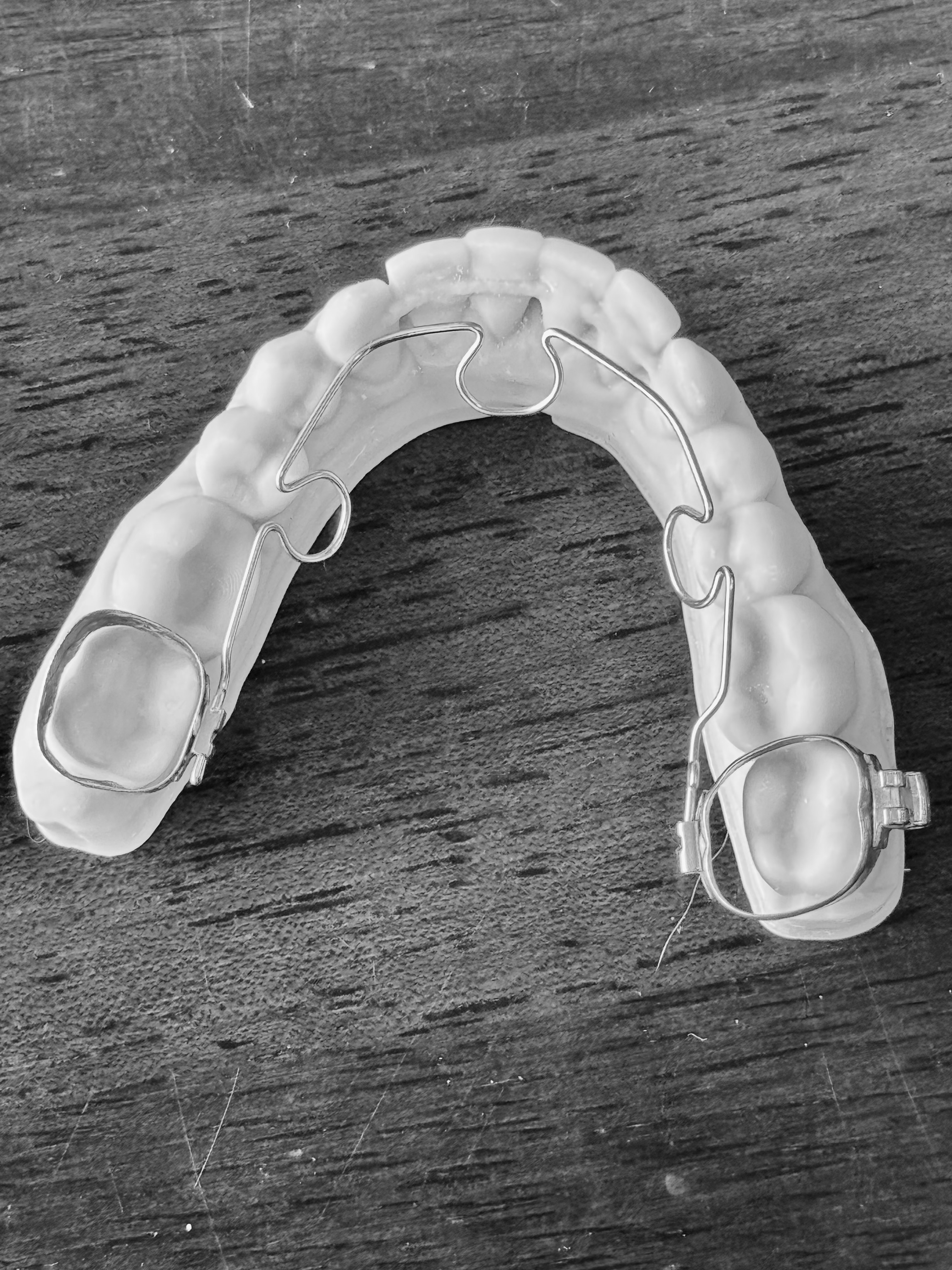
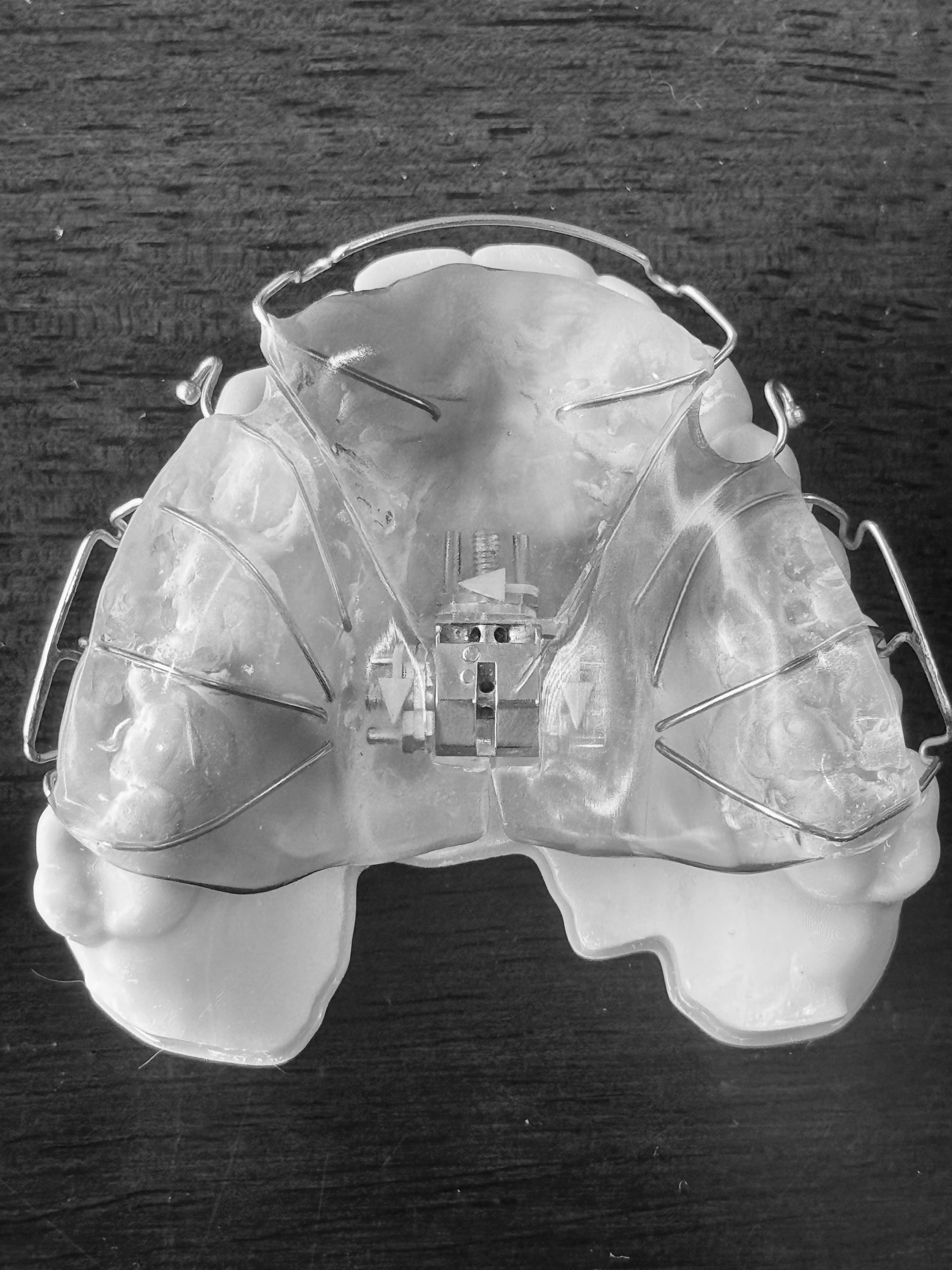
- Orthopaedic or orthodontic intervention when needed
- Collaboration with physiotherapists or other specialists
Your approach is functional, holistic, and evidence‑based — not quick fixes.
TMD in Children

CHILDREN MY EXPERIENCE:
- Jaw pain
- Headaches
- Skew or shifting teeth
- Difficulty chewing
- Sleep issues
- Mouth breathing
- Incorrect swallow pattern
Because you already specialise in growth, development, and soft tissue function, you’re uniquely positioned to identify and treat TMD early — often preventing long‑term problems.