What is TMJ?
In dentistry, TMJ refers to the temporomandibular joint, the hinge that connects your jawbone (mandible) to your skull. You have one on each side of your head, located just in front of your ears.
While “TMJ” is the name of the joint itself, people often use the term to describe Temporomandibular Disorders (TMD)—a group of conditions that cause pain and dysfunction in the jaw joints and the muscles that control jaw movement.
KEY SYMPTOMS
Common signs that you might have a TMJ disorder include:
- Pain or tenderness in the jaw, face, or neck.
- Clicking or popping sounds when opening or closing your mouth.
- Locking of the jaw, making it hard to open or close your mouth wide.
- Ear-related issues, such as earaches, ringing (tinnitus), or pressure.
- Difficulty chewing or a sudden change in how your upper and lower teeth fit together.
Common causes
Dentists often link TMJ issues to several factors:
- Bruxism: Habitual clenching or grinding of the teeth, which puts excessive pressure on the joint.
- Jaw Injury: A blow to the face or whiplash that damages the joint or surrounding muscles.
- Stress: High stress levels can cause a person to tighten their facial muscles or clench their jaw.
- Arthritis: Inflammatory conditions like osteoarthritis or rheumatoid arthritis can damage the joint’s cartilage.
- Bite Misalignment: An uneven bite (malocclusion) that forces the joint to work harder than normal.
treatment options
Most TMJ problems are temporary and can be managed with conservative care. We may recommend:
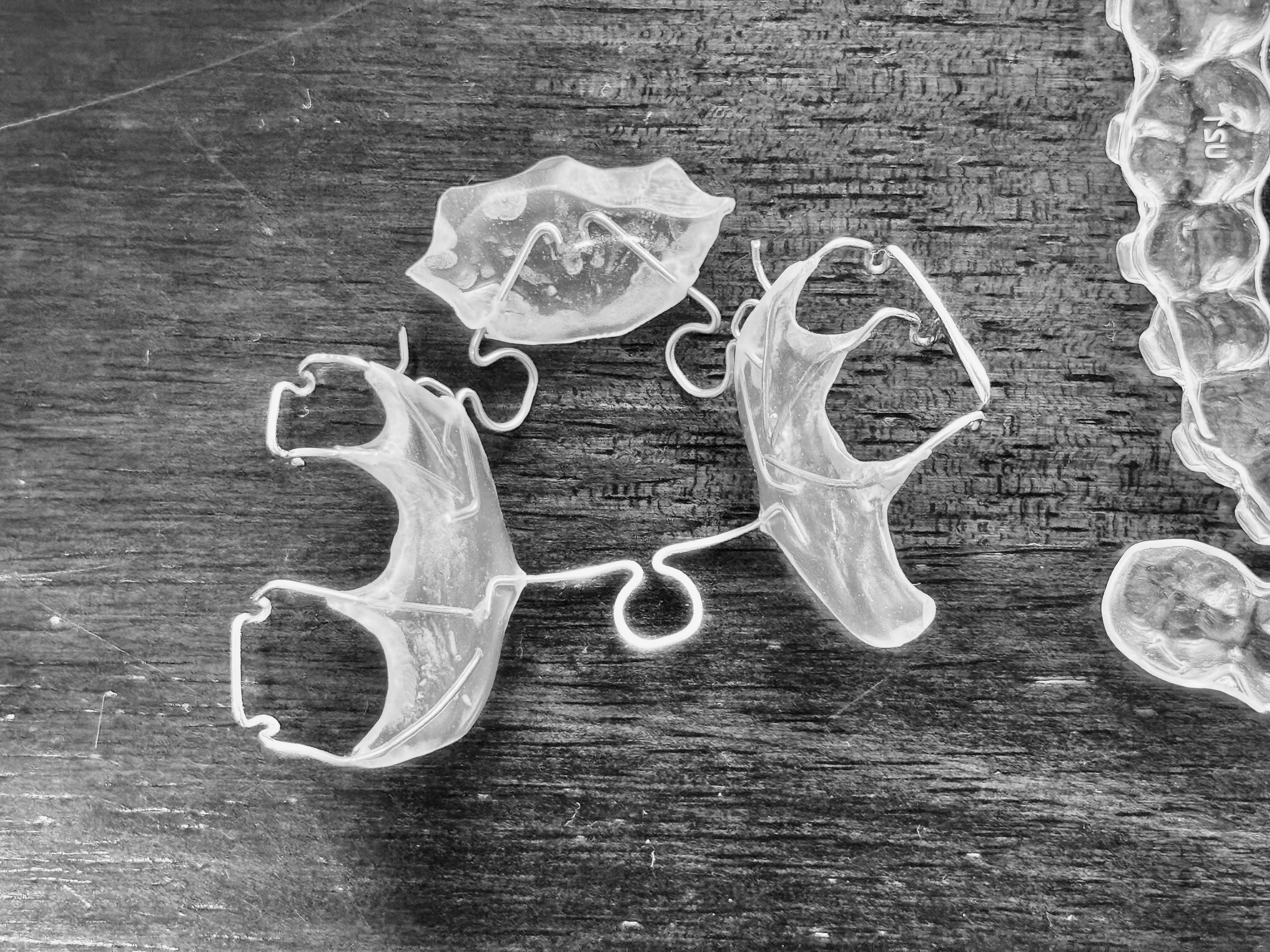
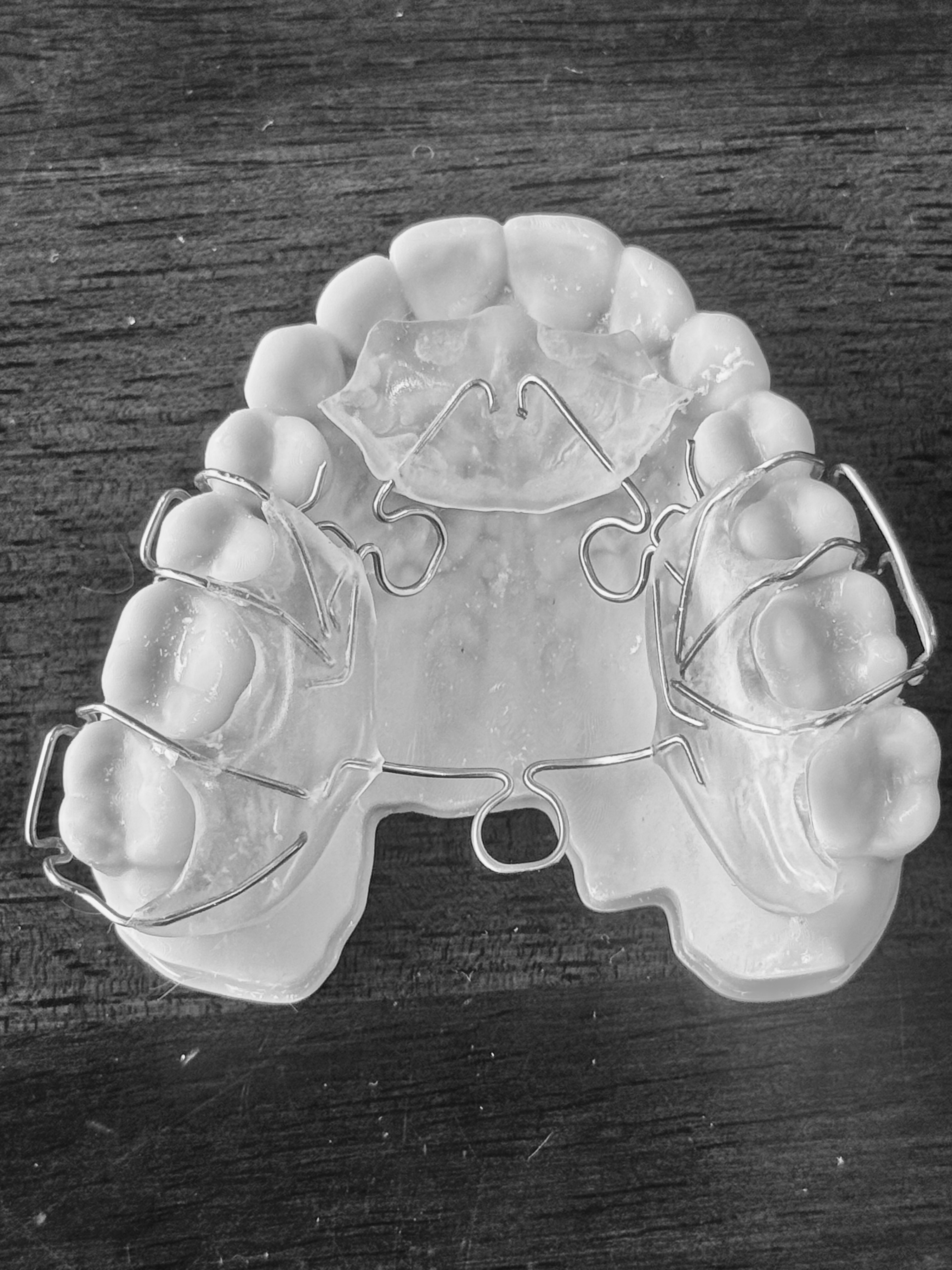
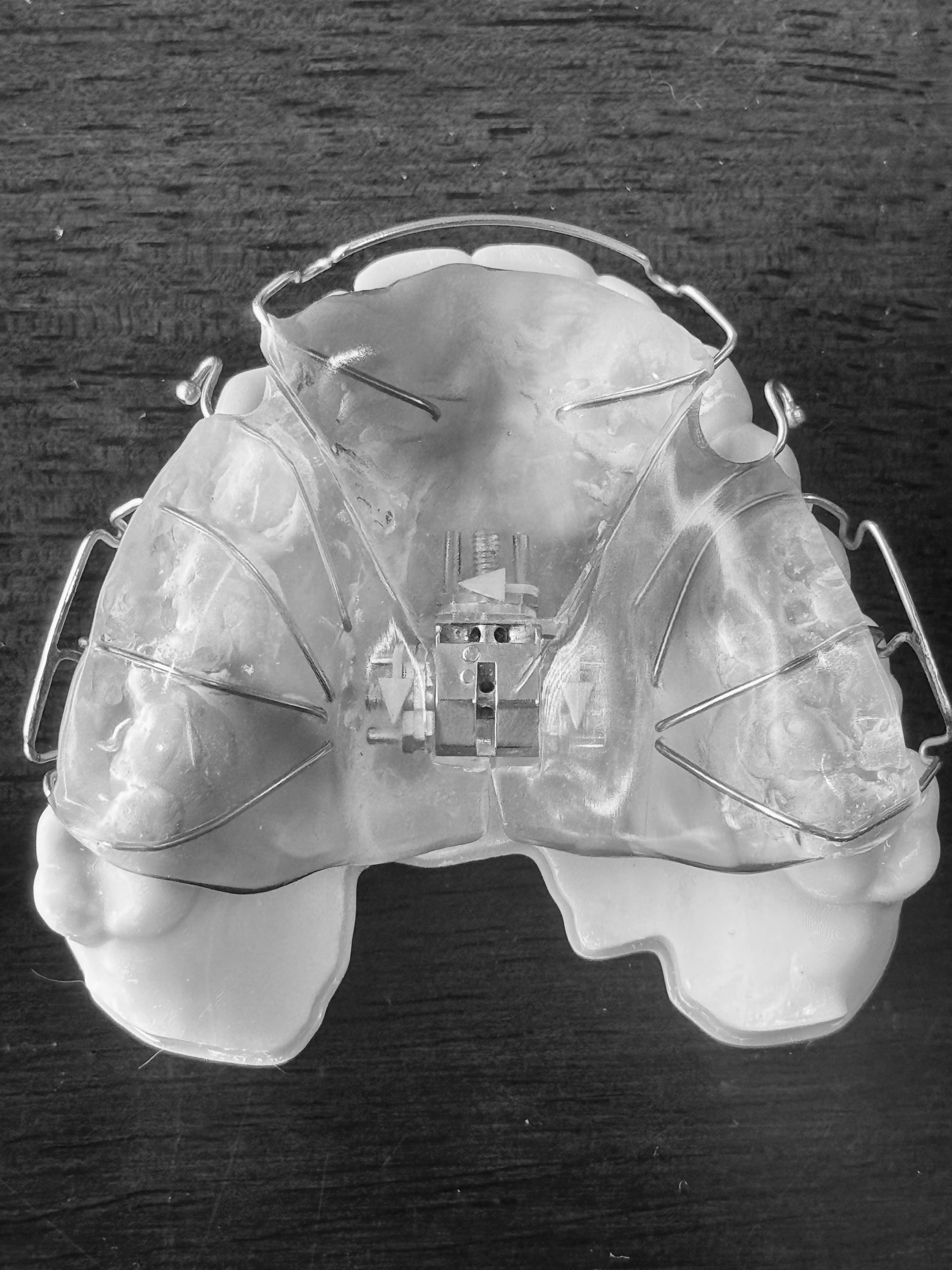
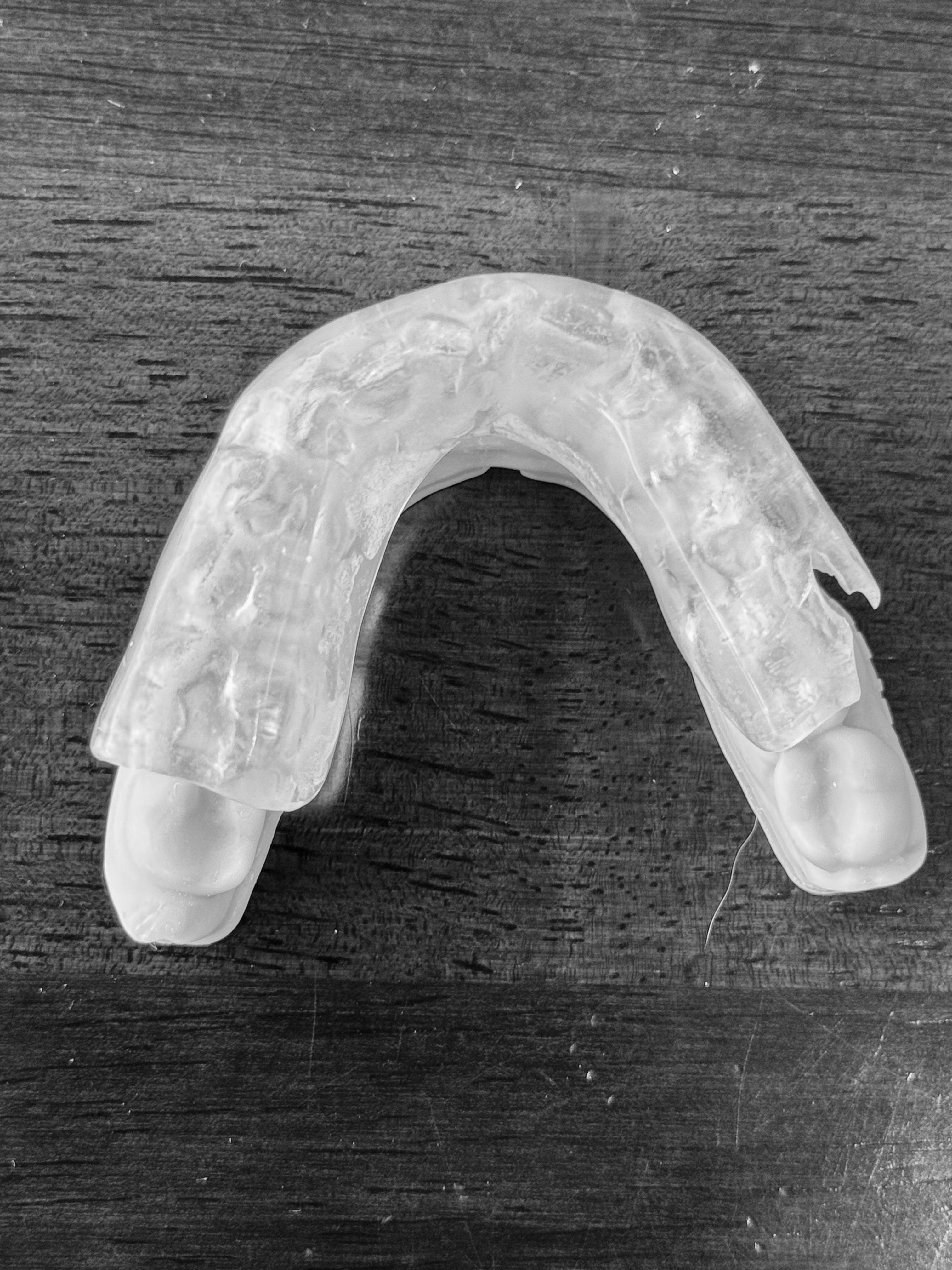
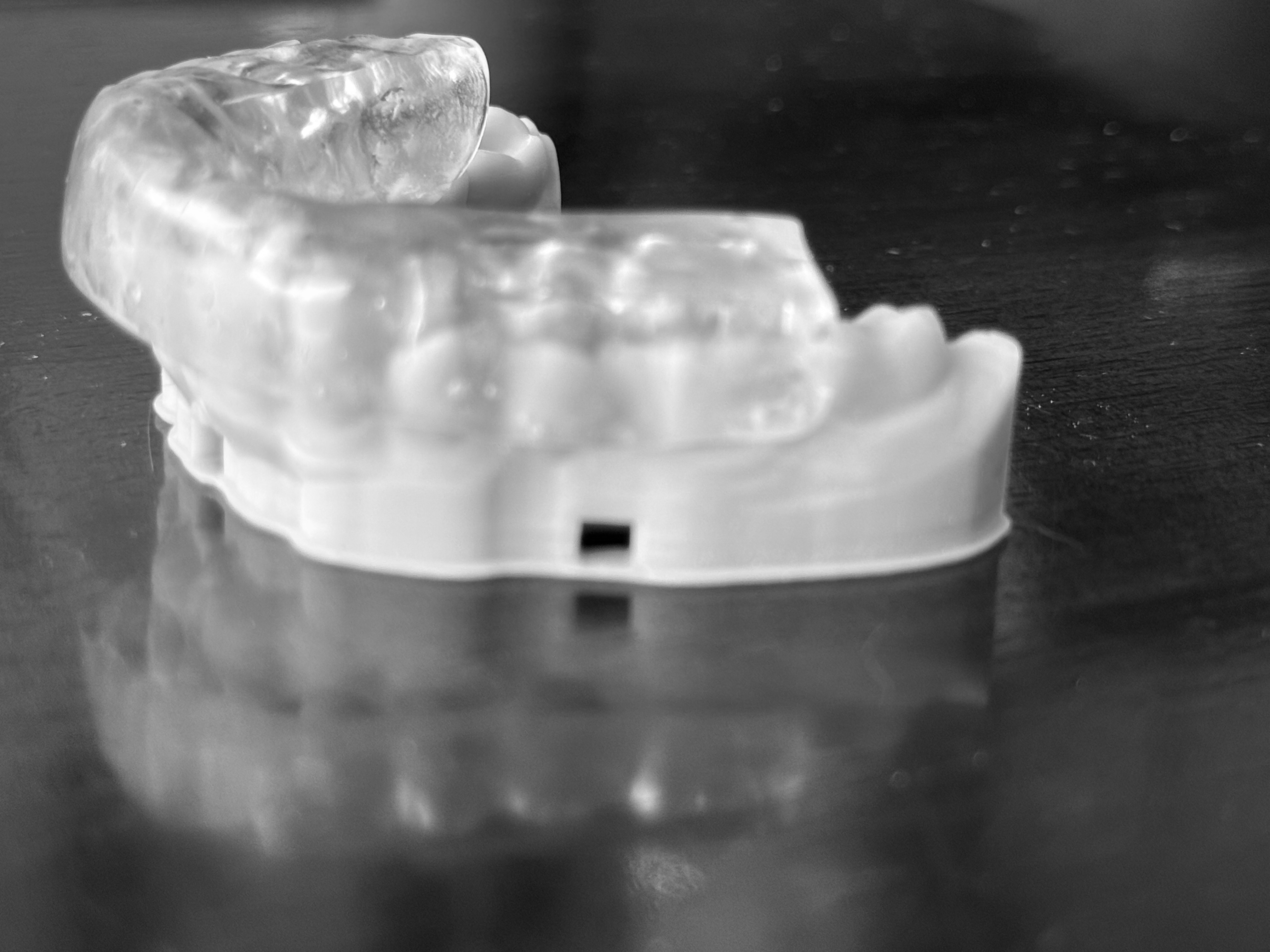
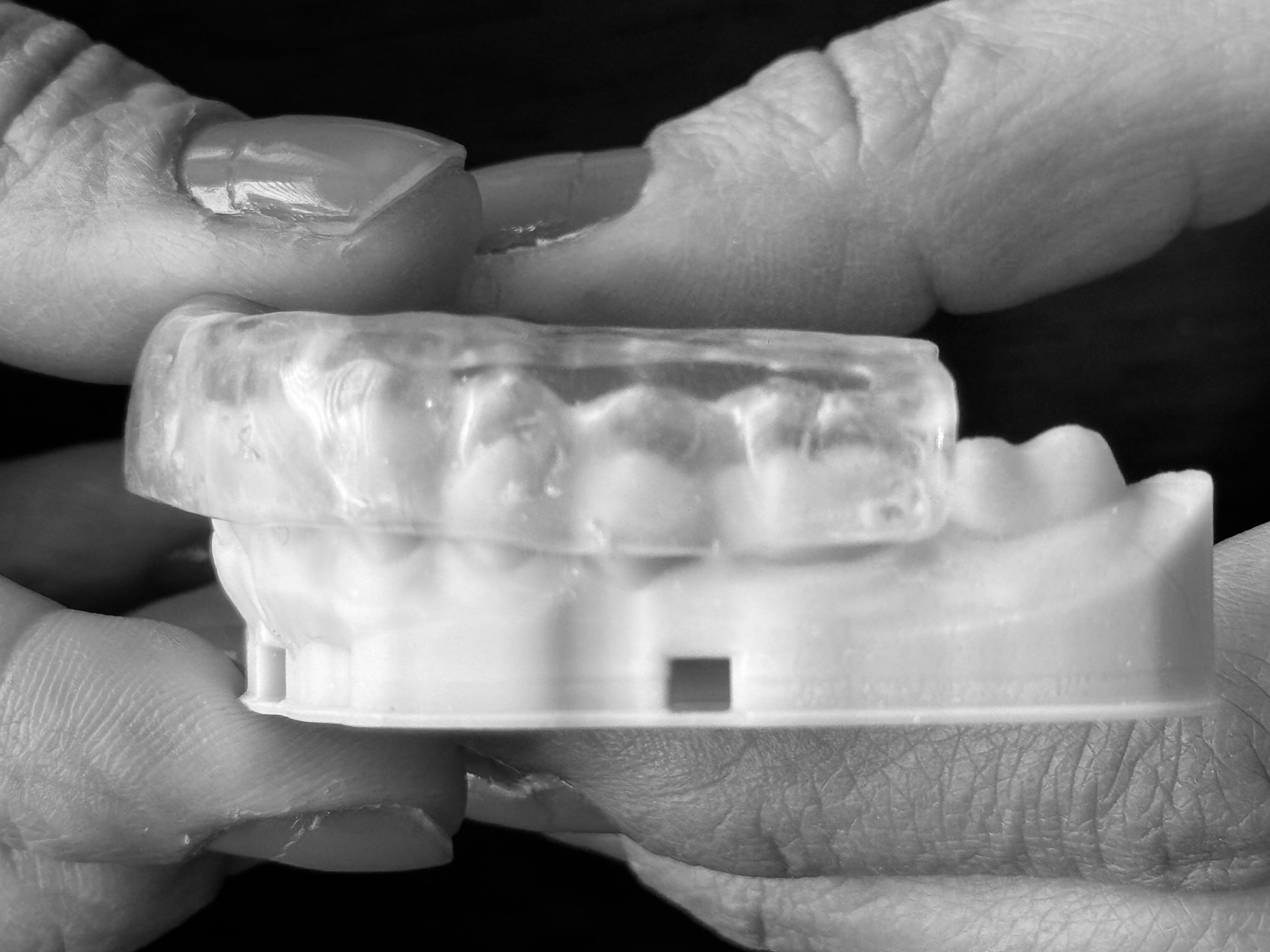
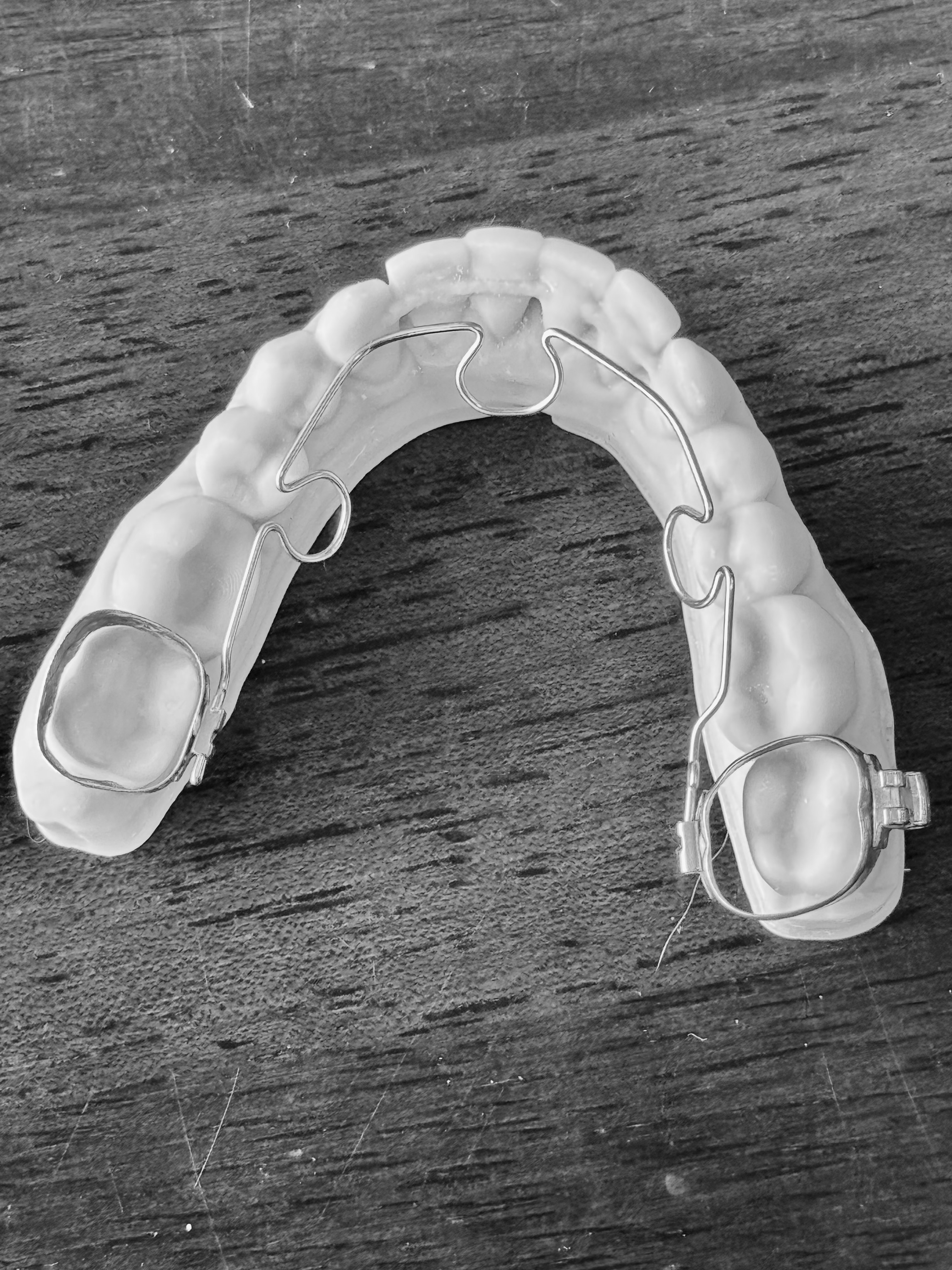
- Bite Guards or Splints: Custom-made plastic appliances worn at night to prevent grinding and relax the jaw muscles.
- Physical Therapy: Exercises to stretch and strengthen the jaw, along with massage or posture correction.
- Medication: Over-the-counter pain relievers (like ibuprofen), muscle relaxants, or anti-inflammatory drugs.
- Bite Adjustments: Restorative work or orthodontics (like braces) to correct how the teeth fit together.
- Injections: In some cases, Botox or corticosteroid injections are used to reduce muscle tension or joint inflammation.

 DENTISTRY IN PARYS